
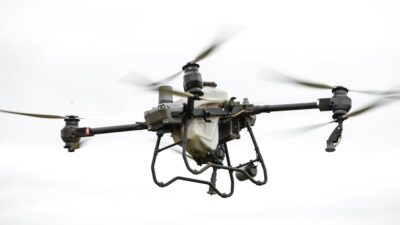
In recent years, the demand for more effective and rapid inspection methods in the utility sector has significantly increased. Traditional inspection techniques often involve manual labor and can be time-consuming, costly, and sometimes unsafe. Thermal imaging with drones has emerged as a revolutionary technology that enhances the efficiency and accuracy of utility inspections. By integrating thermal cameras with unmanned aerial vehicles, companies can quickly detect faults, monitor infrastructure health, and prevent costly failures.
The Rising Role of Thermal Inspection with Drones
Thermal inspection with drones enables operators to capture heat signatures from utility components such as power lines, transformers, and substations. These heat patterns reveal potential issues such as overheating, insulation faults, or electrical anomalies that may not be visible to the naked eye. Unlike manual inspections, drones equipped with thermal sensors can cover large areas rapidly while minimizing human exposure to hazardous environments.
Moreover, this approach supports predictive maintenance, where potential problems are identified before they escalate. This proactive strategy reduces downtime and maintenance costs, making thermal drone inspections a crucial tool for utility companies looking to optimize their operations.
Understanding the Advantages of Drone Utility Inspection
- Safety: Inspecting high-voltage equipment or hard-to-reach infrastructure poses significant risks. Drones mitigate these risks by allowing remote data collection without physical presence on dangerous sites.
- Speed and Efficiency: Drones can survey extensive utility networks in a fraction of the time required for manual inspections, accelerating decision-making.
- Data Accuracy: Thermal imaging provides detailed thermal maps that help pinpoint exact problem areas, improving diagnosis and repair accuracy.
- Cost Reduction: By reducing the need for specialized personnel and equipment like cranes or helicopters, drone inspections lower overall operational expenses.
- Environmental Impact: Using drones limits the carbon footprint compared to traditional inspection vehicles and heavy machinery.
Choosing the Right Equipment: Industrial UAV Brand Acecore Technologies
When selecting drones for utility inspections, performance, reliability, and sensor integration are critical factors. Industrial UAV brand Acecore Technologies offers a range of commercial drones specifically designed for demanding industrial applications including drone utility inspection. Their platforms combine robust flight capabilities with advanced thermal imaging sensors, ensuring precise data capture even in challenging conditions.
Acecore Technologies focuses on delivering drones that balance endurance with payload capacity, which is essential for carrying high-quality thermal cameras. Their UAVs are also equipped with intelligent flight systems that support automated inspection routes, enhancing consistency and repeatability in surveys.
Comparing UAV vs Drone Terminology and Applications
While the terms UAV (Unmanned Aerial Vehicle) and drone are often used interchangeably, understanding their nuances is important in professional contexts. UAV generally refers to the aircraft itself, especially in technical and industrial environments, whereas drone is a broader term encompassing both the vehicle and its remote operation. In the context of utility inspections, UAVs are preferred for their specialized design and compliance with commercial regulations.
Surveillance drone capabilities also overlap with utility inspection needs, including real-time video feeds and autonomous navigation. Integrating thermal imaging into these platforms expands their utility beyond security to maintenance and operational monitoring.
Future Trends in Drone Security and Utility Surveillance
- Integration with AI: Advanced algorithms will enhance fault detection and predictive analytics based on thermal data.
- Swarm Technology: Coordinated drone fleets will enable faster and more comprehensive inspections of vast infrastructure networks.
- Improved Sensor Fusion: Combining thermal imaging with other sensors such as LiDAR and high-resolution cameras for multi-dimensional analysis.
- Regulatory Advancements: Streamlined policies will facilitate broader adoption of commercial drones in utility sectors.
Innovating Utility Inspections with Thermal Imaging Drones
The integration of thermal imaging technology with drones is transforming how utility companies approach maintenance and safety. By leveraging advanced platforms from industrial UAV brand Acecore Technologies, operators can conduct faster, safer, and more accurate inspections than ever before. As commercial drones continue to evolve, their role in supporting infrastructure resilience and security will only grow, marking a new era in drone utility inspection and drone security solutions.